





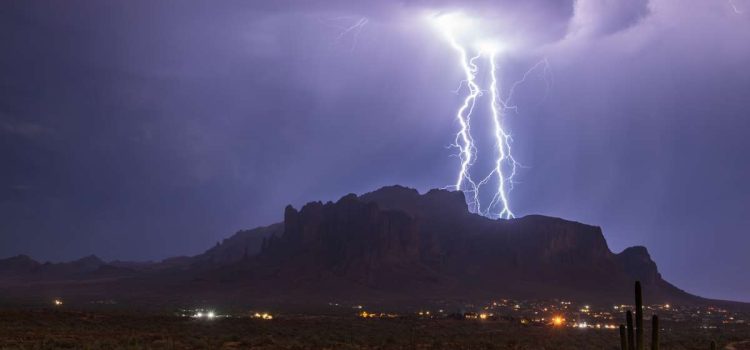
Power surges are one of those hidden electrical risks that many homeowners and business operators overlook—until something goes wrong. Whether it’s a flickering light, a fried appliance, or a complete system failure, a power surge can cause serious damage in seconds. Understanding what a power surge is, why it’s dangerous, and how to prevent it is essential for protecting your property, your electronics, and even your safety.
In this guide, we’ll break everything down in a clear and practical way so you can take the right steps to minimise risk.
What Is a Power Surge?
A power surge is a sudden and brief spike in electrical voltage that exceeds the standard level flowing through your electrical system. In most homes, electricity flows at a steady voltage (typically around 230–240 volts in Australia), but when a surge occurs, that voltage can jump dramatically for a fraction of a second.
While it may seem harmless because it happens so quickly, even a tiny spike can cause long-term damage to electrical devices.
What Causes Power Surges?
Power surges can originate from both external and internal sources. Understanding these causes helps you better manage and prevent them.
1. Lightning Strikes
One of the most powerful causes of a surge is lightning. When lightning strikes near power lines or a building, it can send an enormous spike through the electrical system. Although rare, this type of surge can instantly destroy appliances and wiring.
2. Power Grid Switching
Electricity providers regularly switch grids or reroute power to manage demand. These transitions can sometimes create small surges that travel into homes and businesses.
3. Faulty Wiring
Poor-quality or damaged wiring inside a property can cause irregular electrical flow, leading to frequent surges. This is especially common in older homes.
4. High-Powered Electrical Devices
Appliances such as air conditioners, refrigerators, and washing machines require large amounts of energy to start. When they cycle on and off, they can create small, repeated surges within your system.
5. Overloaded Circuits
Plugging too many devices into a single circuit can overwhelm it, increasing the likelihood of surges and electrical faults.
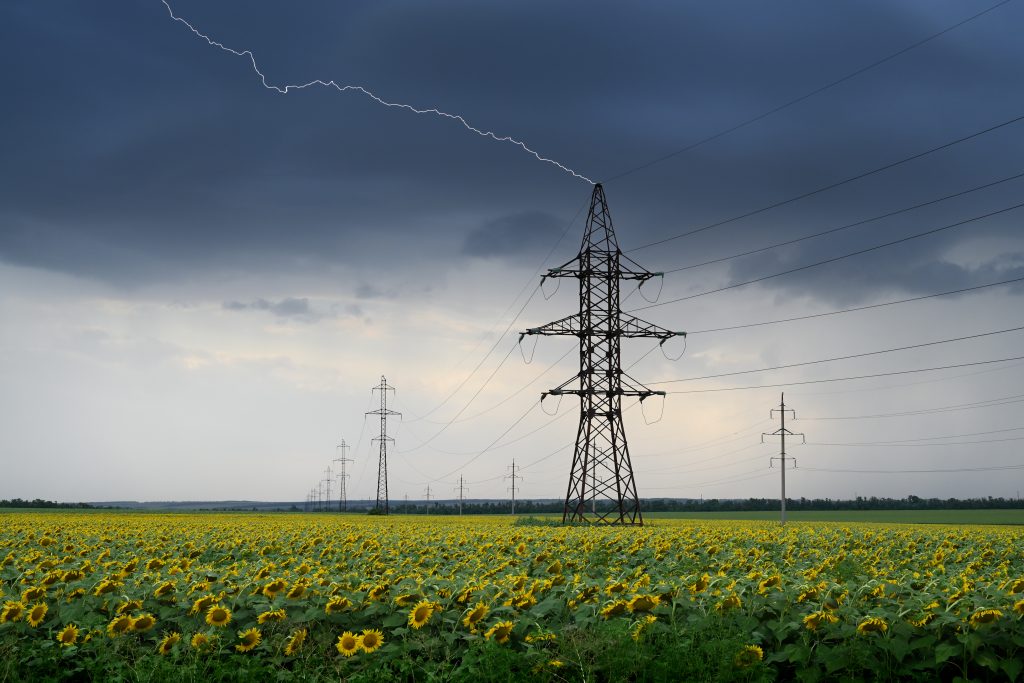
Is a Power Surge Dangerous?
Yes—power surges can be extremely dangerous. While some effects are immediate and obvious, others build up over time.
1. Damage to Electronics
Modern homes are filled with sensitive electronics—TVs, computers, gaming consoles, and smart devices. These systems rely on precise voltage levels. Even a small surge can:
- Burn internal components
- Corrupt data
- Shorten the lifespan of devices
Repeated minor surges are especially harmful because they slowly degrade electronics without noticeable signs until failure occurs.
2. Fire Hazards
One of the most serious risks associated with power surges is fire. When a surge pushes excessive current through wiring, it can cause overheating. If insulation melts or sparks occur, it may ignite surrounding materials.
Electrical fires can start silently inside walls, making them particularly dangerous.
3. Damage to Wiring and Electrical Systems
Surges don’t just affect devices—they can also damage your entire electrical system. This includes:
- Circuit breakers
- Switchboards
- Internal wiring
Over time, this damage can lead to expensive repairs or complete system failure.
4. Risk to Personal Safety
In severe cases, power surges can pose a risk to people. Faulty electrical systems may lead to electric shocks or expose individuals to dangerous conditions, especially if safety devices are compromised.
5. Business and Financial Loss
For businesses, power surges can result in:
- Equipment downtime
- Data loss
- Interrupted operations
- Costly replacements
Even a short disruption can have a significant financial impact, particularly in industries that rely heavily on electrical equipment.
Signs That You May Be Experiencing Power Surges
Power surges are not always obvious, but there are warning signs to watch for:
- Flickering or dimming lights
- Devices resetting or turning off unexpectedly
- Burning smells near outlets
- Frequent tripping of circuit breakers
- Buzzing sounds from electrical panels
If you notice these signs, it’s important to investigate the issue promptly.
How Do You Prevent Power Surges?
Preventing power surges involves a combination of good habits, proper equipment, and professional electrical solutions.
1. Use Surge Protectors
Surge protectors are the first line of defence. They are designed to absorb excess voltage and protect connected devices.
There are two main types:
- Power board surge protectors: Ideal for protecting individual devices like computers and TVs
- Whole-house surge protectors: Installed at the switchboard to protect the entire electrical system
While plug-in surge protectors are useful, they are not enough on their own for complete protection.
2. Install a Whole-House Surge Protection System
A whole-house surge protector is one of the most effective ways to safeguard your property. It works by blocking or redirecting excess voltage before it reaches your internal wiring.
Benefits include:
- Protection for all appliances and circuits
- Reduced risk of electrical fires
- Long-term cost savings on repairs and replacements
This type of system is especially important in areas prone to storms or unstable power supply.
3. Upgrade Your Electrical System
Older properties often have outdated wiring and switchboards that are not designed to handle modern electrical loads.
Upgrading your system can:
- Improve electrical stability
- Reduce the risk of surges
- Ensure compliance with current safety standards
This may include replacing old fuse boxes with modern circuit breakers and safety switches.
4. Avoid Overloading Circuits
Be mindful of how many devices you plug into a single outlet. Overloading circuits increases the risk of surges and overheating.
Tips include:
- Use multiple outlets for high-powered devices
- Avoid daisy-chaining power boards
- Spread appliances across different circuits
5. Unplug Devices During Storms
If a storm is approaching, unplugging sensitive electronics can provide an extra layer of protection. This is particularly important for:
- Computers
- Televisions
- Internet routers
Although not always practical, it can prevent damage from lightning-related surges.
6. Maintain Your Electrical System
Regular inspections by a licensed electrician can help identify potential issues before they become serious.
Maintenance checks may include:
- Testing circuit breakers
- Inspecting wiring
- Checking grounding systems
Preventative maintenance is one of the most effective ways to reduce electrical risks.
7. Ensure Proper Grounding
Grounding is essential for safely directing excess electricity away from your system. Without proper grounding, surge protection devices cannot function effectively.
A professional electrician can verify whether your property is correctly grounded and make necessary adjustments.
8. Protect Data and Critical Equipment
For businesses or home offices, protecting data is just as important as protecting hardware.
Consider:
- Using uninterruptible power supplies (UPS)
- Backing up data regularly
- Installing advanced surge protection systems
These measures help minimise disruption and data loss during electrical events.
Are Small Power Surges a Concern?
Yes, and this is often misunderstood.
While large surges get the most attention, small, frequent surges are actually more common and can be just as damaging over time. These micro-surges gradually wear down internal components of devices, reducing their lifespan.
Think of it like repeated stress on a material—it may not break immediately, but eventually, it will fail.
When Should You Call a Professional?
You should contact a qualified electrician if:
- You experience frequent electrical issues
- Your home has old wiring
- You’re planning to install surge protection systems
- You notice signs of electrical damage
Attempting to fix electrical problems without proper knowledge can be dangerous and may worsen the issue.
Final Thoughts
Power surges are more than just a minor inconvenience—they are a serious electrical hazard that can damage property, disrupt daily life, and even pose safety risks. From lightning strikes to everyday appliance usage, surges can happen at any time, often without warning.
The good news is that with the right precautions—such as installing surge protectors, upgrading your electrical system, and maintaining proper wiring—you can significantly reduce the risk.
If you want complete peace of mind, it’s always best to seek professional advice. A trusted provider like Reds Power Solutions can assess your property, recommend the right surge protection measures, and ensure your electrical system is safe, reliable, and up to modern standards.
Taking action now can save you from costly repairs—and potentially dangerous situations—down the track.



Comments