
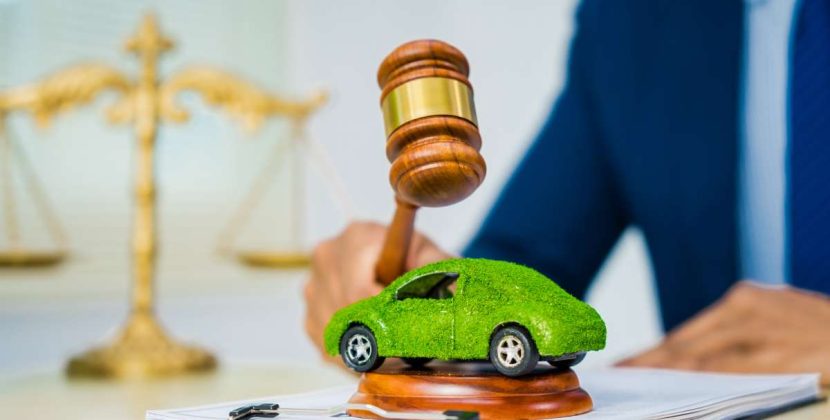





Car auctions have a certain reputation — bargain-hunters in fluorescent vests, fast-talking auctioneers, and the promise of scoring a vehicle well below dealer price. And it’s true: auctions can be one of the smartest ways to buy a car in Australia, provided you know what you’re walking into. They can also be one of the fastest ways to lose money if you don’t.
If you’re considering buying your next car at auction for the first time, here’s what you actually need to know before you raise your hand — or click “bid.”
Why People Buy Cars at Auction
The appeal is straightforward: auctions often offer vehicles below typical retail or private-sale prices. This is partly because auction houses move stock quickly — many vehicles come from fleet companies, government departments, finance repossessions, deceased estates, or trade-ins that dealers don’t want to retail themselves.
For buyers willing to do their homework, this creates genuine opportunities. For buyers who skip the homework, it creates genuine risk.
Types of Car Auctions in Australia
Not all auctions work the same way, and understanding the format matters.
Physical dealer auctions — Run by major auction houses, these are open to the public in most states and typically feature a wide mix of ex-fleet, ex-government, and trade-in vehicles. You can usually inspect vehicles in person beforehand.
Online auctions — increasingly popular — let you bid remotely on vehicles located anywhere in the country. Convenient, but they remove your ability to physically inspect the car unless you arrange a pre-purchase inspection separately.
Government and insurance auctions — Often sell decommissioned fleet vehicles or insurance write-offs/salvage. These can include excellent bargains, but salvage vehicles especially require careful checking of their accident history and roadworthiness status.
Repossession auctions — Vehicles seized due to defaulted finance. Generally sold “as is” with limited history available.
Before You Bid: The Non-Negotiable Checks
1. Get the vehicle history report. Run a PPSR (Personal Property Securities Register) check before bidding on anything. This confirms whether the car has money owing on it, has been written off, or is reported stolen. At roughly $2 per check, it’s the cheapest insurance you’ll buy all day.
2. Inspect in person if at all possible. Photos and listing descriptions can hide a lot — odometer discrepancies, panel mismatches from accident repairs, rust, or interior wear. If you can’t attend in person, consider paying for an independent pre-purchase inspection, particularly for online or interstate auctions.
3. Understand “as is” terms. Most auction vehicles are sold with no warranty and limited (if any) right to return. Unlike a dealer purchase, you generally can’t walk away if you discover a problem after the hammer falls. Read the auction house’s terms and conditions in full before registering to bid.
4. Set a hard limit — and stick to it. Auction adrenaline is real. It’s remarkably easy to get caught up in a bidding war and pay more than the car is actually worth. Research comparable sale prices beforehand (RedBook and recent classifieds listings are good starting points) and decide your absolute ceiling before the auction starts.
5. Know what fees come on top of the hammer price. Buyer’s premiums (often 8-10% of the sale price), administration fees, and in some cases transport or storage fees can add a meaningful amount to your final cost. Always calculate your true “all in” price before bidding, not just the number you see called out by the auctioneer.
The Catch With Interstate and Online Auctions
One of the biggest growth areas in Australian car auctions is online bidding — and it’s opened up access to vehicles you’d never have considered before, simply because they’re located in another state. A well-priced ute in Brisbane, a low-kilometre SUV in Adelaide, or a rare model sitting in a Perth auction house can now be genuine options for a buyer in Sydney or Melbourne.
The catch, of course, is getting the car home.
Unless you’re prepared to fly or drive interstate to collect the vehicle yourself — which often eats into any savings you made at auction once you factor in flights, fuel, and your own time — you’ll need a reliable way to get the car from the auction house to your driveway.
This is where a dedicated interstate vehicle transport service earns its keep. Rather than risking a long-distance drive in an unfamiliar, just-purchased vehicle (with no warranty and an unknown maintenance history), companies like Interstate Towing AU handle the logistics of getting auction vehicles safely from one state to another, whether that’s Perth to Melbourne or Cairns to Sydney. It removes one of the biggest practical barriers to bidding on interstate auctions in the first place — and means any mechanical surprises show up at home, where you can deal with them, rather than on the side of a highway hundreds of kilometres from where you started.
Red Flags to Walk Away From
Even seasoned auction buyers know when to pass. Be cautious of:
- Vehicles with PPSR records showing finance owing or a written-off status not disclosed in the listing
- Mismatched panel colours or uneven panel gaps suggesting prior accident repair
- Auction houses unwilling to provide condition reports or allow inspections
- Pressure to bid quickly without time to review documentation
- Prices that seem too good relative to the vehicle’s age, kilometres, and condition
Final Thoughts
Buying a car at auction isn’t inherently risky — it’s under-researched buying that’s risky. With a PPSR check, a clear budget ceiling, a realistic view of “as is” terms, and a plan for getting the vehicle home (especially if it’s interstate), auctions can be one of the most cost-effective ways to find your next car in Australia.
Go in prepared, bid with a number in mind rather than emotion, and you’ll be far more likely to walk away with a genuine bargain — not an expensive lesson.



Comments