Most homeowners asking this question are really asking something simpler: Will I have to replant this? The answer matters before you spend money on turf establishment.
Kikuyu grass (Cenchrus clandestinus) is a warm-season perennial native to the East African highlands. Unlike annual grasses that complete their lifecycle and die in a single season, Kikuyu has no biological expiration date. A well-managed Kikuyu lawn can last indefinitely.
That word "indefinitely" carries conditions. Frost damage, thatch accumulation, compaction, and shade can all end a Kikuyu lawn years earlier than it should. The difference between a lawn that thrives for three decades and one that fails in five years is almost entirely a management question.
This article explains the biological lifespan of Kikuyu grass, the specific conditions that extend or cut it short, and exactly what you need to do to protect that investment.
Kikuyu is classified as a warm-season perennial, and that classification has real mechanical meaning. The plant does not die after one growing season. Its below-ground rhizomes and above-ground stolons survive year to year, regenerating shoot tissue each time soil temperatures rise above 16°C (60°F).
According to the University of California Agriculture and Natural Resources (UC IPM), Kikuyugrass grows best between 60°F and 90°F but survives well at temperatures above 100°F, and has a low disease incidence that allows it to remain viable through multiple growing seasons. That thermal range is why Kikuyu lawns in coastal California, Hawaii, and eastern Australia remain productive for decades without replanting.
The regeneration engine is the stolon-rhizome network. As long as that network is alive, the lawn can recover from almost any above-ground damage: mowing errors, drought browning, heavy foot traffic. Kill the network and you lose the lawn.
Kikuyu's practical lifespan is most directly controlled by winter temperature. In frost-free coastal climates, the grass stays green and active year-round and will persist indefinitely with basic maintenance. In climates with occasional light frosts, the shoot tissue dies back seasonally while the root system remains viable. In climates with hard, repeated frosts, root damage accumulates, and permanent loss becomes likely.
If soil temperature drops below freezing for extended periods, the rhizomes die. That is the threshold between recoverable dormancy and permanent die-off.
Kikuyu develops a root system reaching depths over 3 metres, which allows the plant to access soil moisture that shallower-rooted species cannot reach. That depth is a direct survival mechanism during drought. A grass pulling water from 3 metres down will outlast almost any dry period without permanent damage.
This root architecture also buffers the plant against surface-level stressors like compaction and heat. Surface roots die; deep roots keep the plant alive.
Kikuyu is a high-demand grass. Without adequate nitrogen through the growing season, growth slows, the canopy thins, and the turf becomes vulnerable to weed encroachment. Weeds filling a thinning Kikuyu stand apply competitive pressure that eventually collapses the lawn. Fertility management is a direct lifespan input, not optional maintenance.
Brown Kikuyu is not dead Kikuyu. In dry winters or regions with mild frost, Kikuyu goes dormant. Shoot tissue dies back, the lawn loses colour, and growth stops. The root system and rhizomes remain alive and viable. This is normal annual behaviour and has no negative effect on long-term lifespan.
True die-off produces different results. The plant material turns brittle and dry, does not respond to irrigation or temperature increases, and produces no new growth when soil temperatures rise above 16°C. If dead patches remain inactive after six weeks of favourable growing conditions, you are dealing with genuine loss.
To distinguish the two, pull a handful of runners from the affected area. Dormant Kikuyu shows white or pale yellow stolons with intact, firm nodes. Dead Kikuyu is dry, brittle, and the nodes crumble when pressed. That test takes 30 seconds and tells you whether to wait or act.
Kikuyu produces thatch faster than most warm-season grasses. A thatch layer above 1 cm restricts water penetration, traps pathogens, and suffocates the crown. Unmanaged thatch causes large-scale crown death and accelerates turf failure in sections. Annual scarification is not optional for a lawn expected to last.
Kikuyu handles mild frosts by retreating to its root system. Severe or repeated frosts kill the crown and upper rhizomes. If your site receives consistent hard frosts through winter, Kikuyu will not reliably survive long-term, regardless of how well you manage everything else. Species selection is a lifespan decision.
Kikuyu requires full sun. It tolerates moderate shade briefly, but persistent canopy cover weakens the turf progressively. Weak turf is replaced by shade-tolerant weeds. Once weed pressure exceeds the Kikuyu's ability to compete, the stand collapses. Prune the tree canopy overhead or accept that Kikuyu will not persist in that zone.
Homeowners in frost-prone zones or heavily shaded blocks where Kikuyu consistently struggles are often better served by a synthetic lawn, which carries no dormancy risk and requires no seasonal recovery management.
Heavy foot traffic compacts the soil, reducing pore space and limiting root oxygenation. Waterlogged or poorly draining sites compound this by depriving roots of oxygen. Kikuyu tolerates both conditions for short periods, but neither condition is compatible with a long-term stand. Annual core aeration addresses compaction and directly extends the productive life of the lawn.
These are the management inputs with the highest direct impact on longevity, ranked by effect:
Run a scarifier or power rake in spring or early summer every 12 months. This is the single highest-impact maintenance task for long-term Kikuyu survival.
Keep Kikuyu between 25 and 40mm. Scalping damages the crown; excessive height accelerates thatch production. Both shorten productive lawn life.
Apply a nitrogen-dominant fertilizer every 6–8 weeks during active growth. Kikuyu does not sustain itself on residual soil fertility.
Deep watering drives roots downward. Shallow watering trains roots to stay near the surface, where they are first to fail under heat or drought. Deep-rooted Kikuyu survives; shallow-rooted Kikuyu does not.
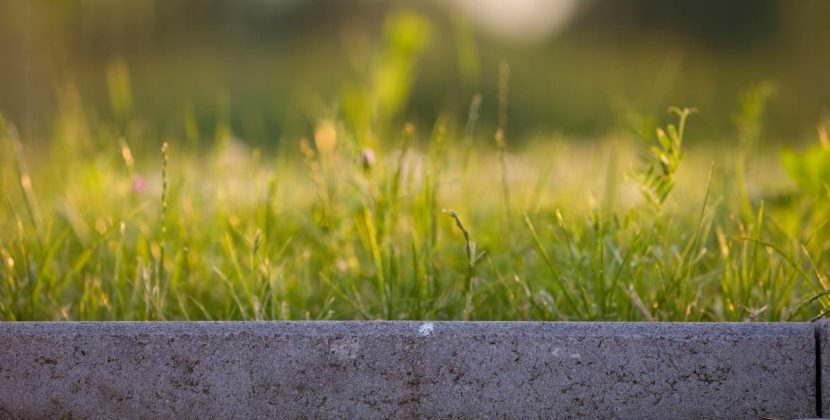
Kikuyu runners that invade garden beds and are repeatedly damaged by herbicide or manual removal force the plant to redirect energy to recovery. That energy comes from the lawn. Hard physical edging installed at the establishment prevents this drain entirely.
For new installations, sourcing quality Kikuyu turf from a reputable supplier like Direct Turf reduces early establishment failure, one of the most common reasons a lawn underperforms in its first two seasons.
All true perennial turfgrasses are capable of lasting indefinitely under correct management. The practical differentiator is which species tolerates the dominant stressors in your specific location. Kikuyu outperforms most warm-season species in drought resilience and recovery speed from wear. It underperforms Zoysia and Buffalo in frost hardiness and shade tolerance. Match the species to your site's actual stressors, and lifespan becomes a non-issue.
Kikuyu grass is a true perennial with no fixed lifespan in the right climate with consistent care, an established lawn can remain productive indefinitely. The factors that actually determine how long it lasts are frost exposure, thatch management, soil fertility, root depth, and sunlight availability, not any biological limit built into the plant itself.